
The craft behind the Uji standard
From Uji to Your Cup
Matchoya matcha follows the same unbroken chain of methods that Uji farmers have practiced for over 800 years. Just as the finest traditions are defined by their methods, these six steps — perfected across generations in the registered Uji region — define what real matcha tastes like. Every tin is made to order, never mass-produced.
Shading (Tana)
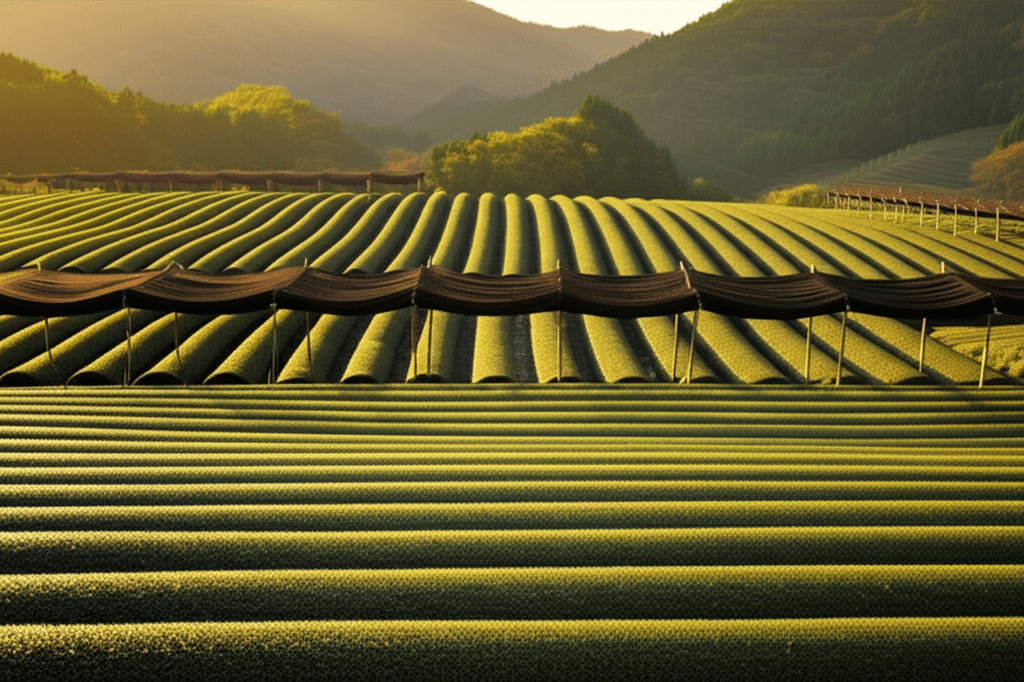
Three weeks before harvest, the tea plants are covered with traditional tana shade structures — black nets stretched over wooden posts that block 85–90% of sunlight. In Uji, this ancient technique works in harmony with a microclimate found nowhere else.
The Uji River valley creates morning mists that naturally supplement the tana shading, while mineral-rich soil nourished by centuries of careful stewardship feeds the roots. This combination of engineered shade and natural geography forces the plants to produce dramatically more chlorophyll and L-theanine — significantly more than unshaded tea. It's why Uji matcha has that distinctive vivid emerald color and deep umami sweetness that matcha from Kagoshima or Shizuoka cannot replicate. This is the terroir advantage that earned Uji its registered designation.
Hand-Picking (Shūkaku)
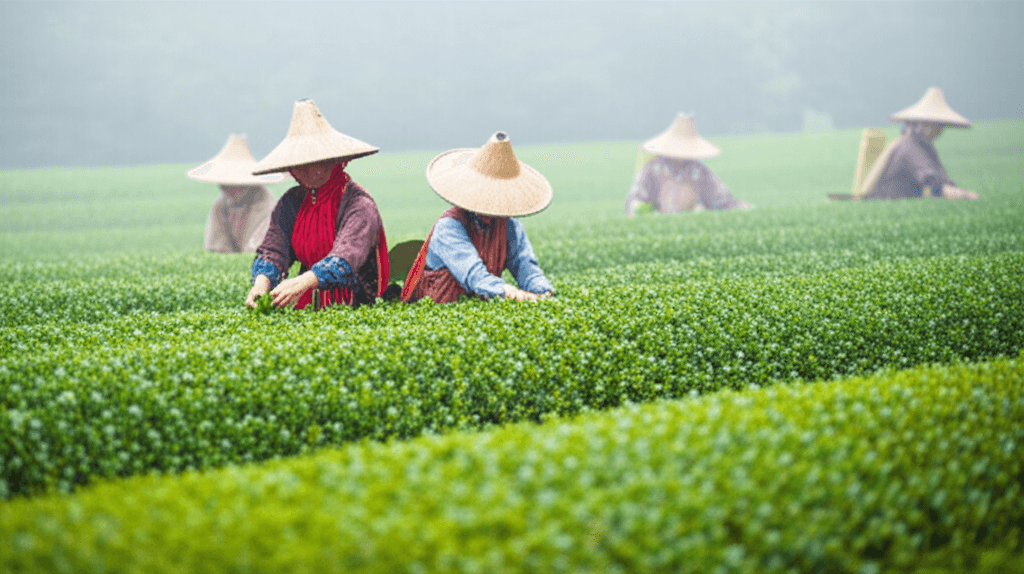
Only the youngest, most tender leaves from the first spring harvest are selected by hand. These first-flush leaves, called ichibancha, contain the highest concentration of nutrients and flavor compounds.
Skilled pickers select only the top two leaves and bud from each stem, ensuring only the finest material enters our matcha. This selective harvest produces significantly less yield than machine harvesting, but the quality difference is unmistakable. First-harvest leaves contain up to significantly higher concentrations of EGCG and L-theanine than unshaded tea — the compounds that define matcha's distinctive character.
Steaming (Jōki)
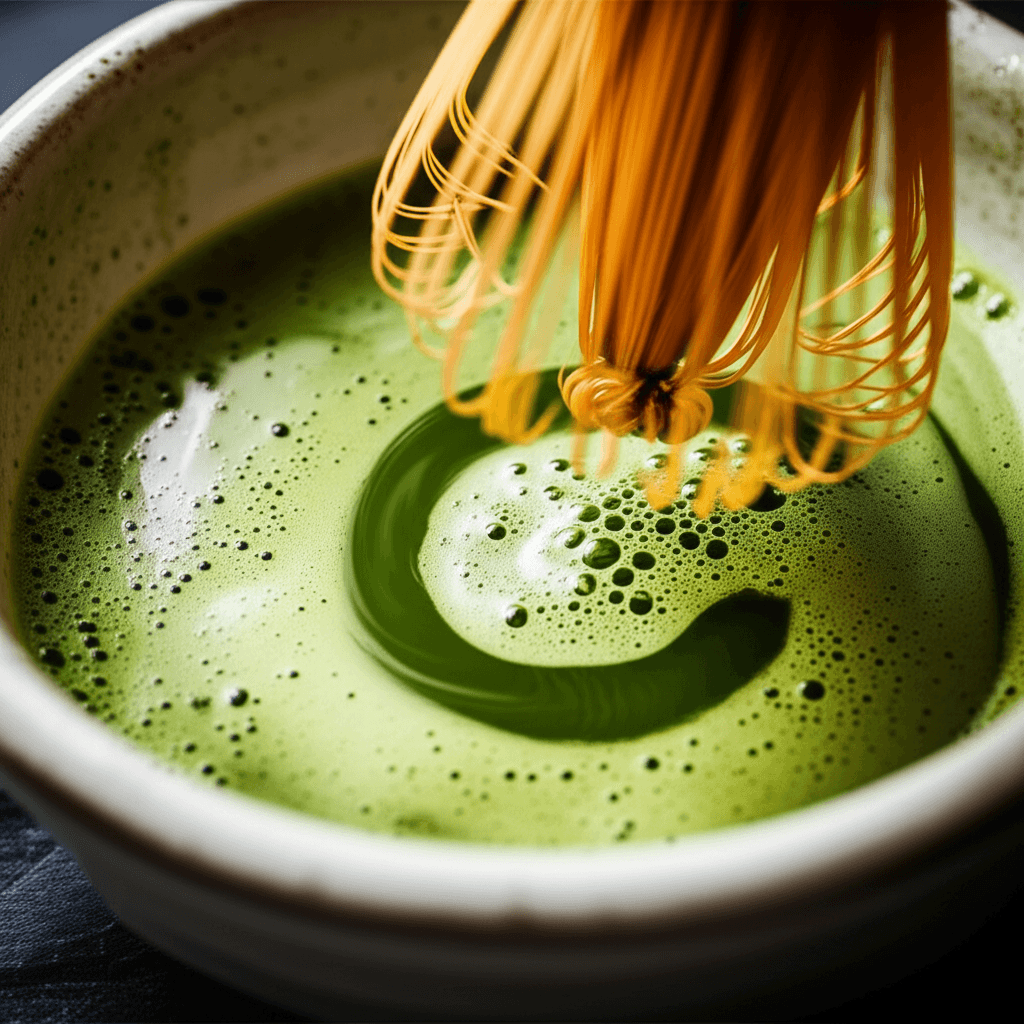
Within hours of picking, the fresh leaves are briefly steamed to halt oxidation and preserve their bright green color, nutrients, and delicate flavor compounds.
The steaming process is precisely timed — just 15–20 seconds. Too short and the leaves will oxidize; too long and they develop a cooked flavor. This step locks in the fresh, vegetal character that makes our matcha so vibrant. It also preserves the full spectrum of catechins, amino acids, and vitamins found naturally in shade-grown tea leaves.
Drying (Tencha)
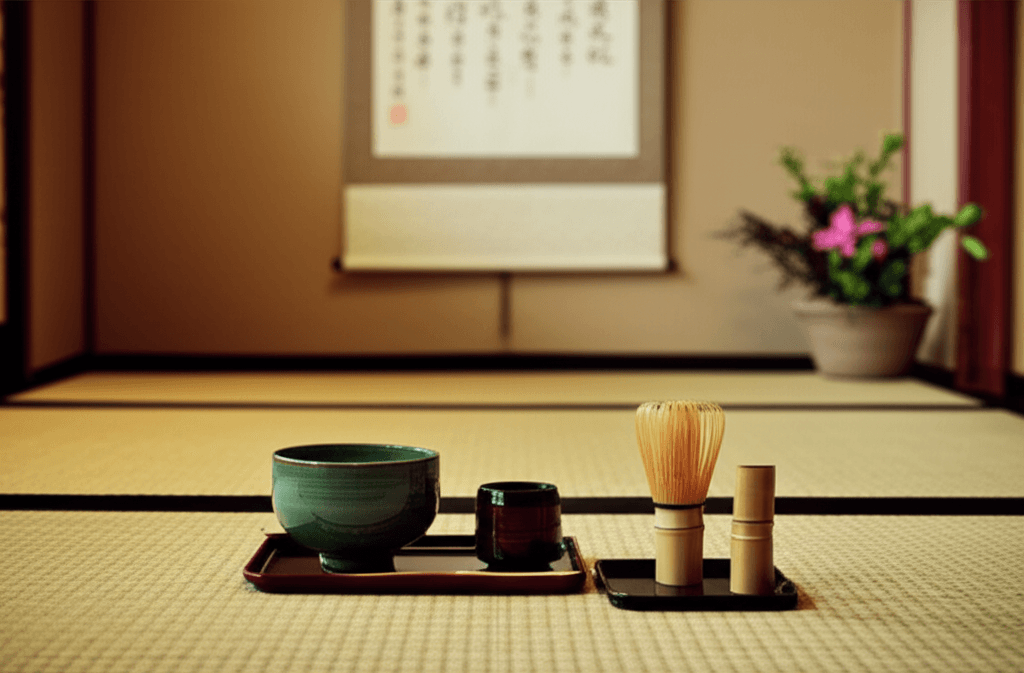
The steamed leaves are air-dried in specialized brick ovens and then stripped of their stems and veins, leaving only the purest leaf material. This creates tencha — the raw material exclusive to true matcha.
Tencha production is what distinguishes real matcha from imposters. By removing all stems and veins, we ensure a smoother, more refined flavor with zero bitterness. The tencha is then aged in cold storage for several months to develop deeper flavor complexity — a step that cheap matcha brands skip entirely. This patience is part of why Uji matcha commands its premium.
Stone-Grinding (Usu)
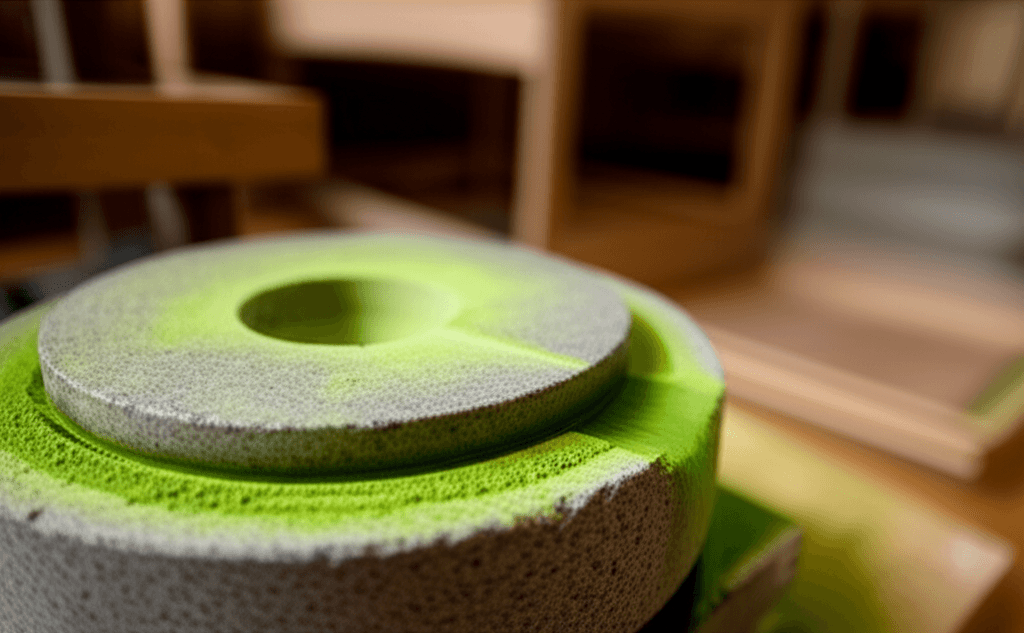
The tencha leaves are slowly ground between traditional granite stone mills (usu) at just 40 grams per hour. This painstaking pace is non-negotiable — and it's why Matchoya matcha is made to order, not stockpiled.
The slow rotation speed is critical — grinding faster generates heat that degrades the delicate L-theanine, EGCG, and chlorophyll that define premium matcha. Our granite mills produce particles just 5–10 microns in diameter, finer than baby powder, creating the signature creamy mouthfeel of ceremonial-grade matcha. At 40g per hour, it takes a single mill one full hour to produce enough matcha for about 40 cups. This is why we produce to order — so your matcha is never sitting on a shelf losing its freshness.
Quality Testing (Hinshitsu)
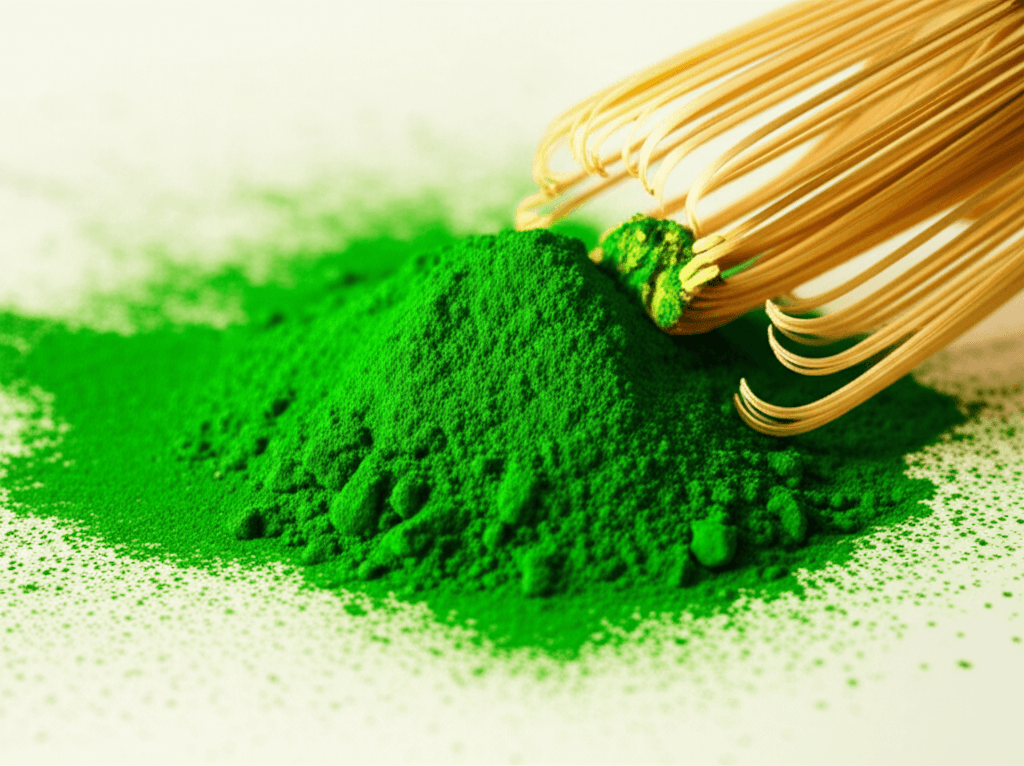
Every batch is rigorously tested for color vibrancy, particle size, aroma, and flavor by our partner tea masters in Uji before being approved for packaging and export.
Our quality standards are uncompromising. We evaluate each batch on over 15 criteria including color (must be vivid emerald), foam quality (dense and lasting), umami depth, L-theanine concentration, and absence of bitterness. Only batches that meet our standards carry the Matchoya name. Every approved batch receives a traceability code linking it to the specific farm, harvest date, and mill — the full transparency that registered-origin matcha demands.
Made to Order. Never Mass-Produced.
Matchoya matcha is stone-ground to order. We do not stockpile inventory. When you receive your matcha, it has been ground within weeks — not months or years like mass-market brands. This is the only way to guarantee the full freshness of L-theanine, EGCG, and chlorophyll that make registered Uji matcha the benchmark for the world. Every tin is fully traceable to a specific Uji farm and harvest date.